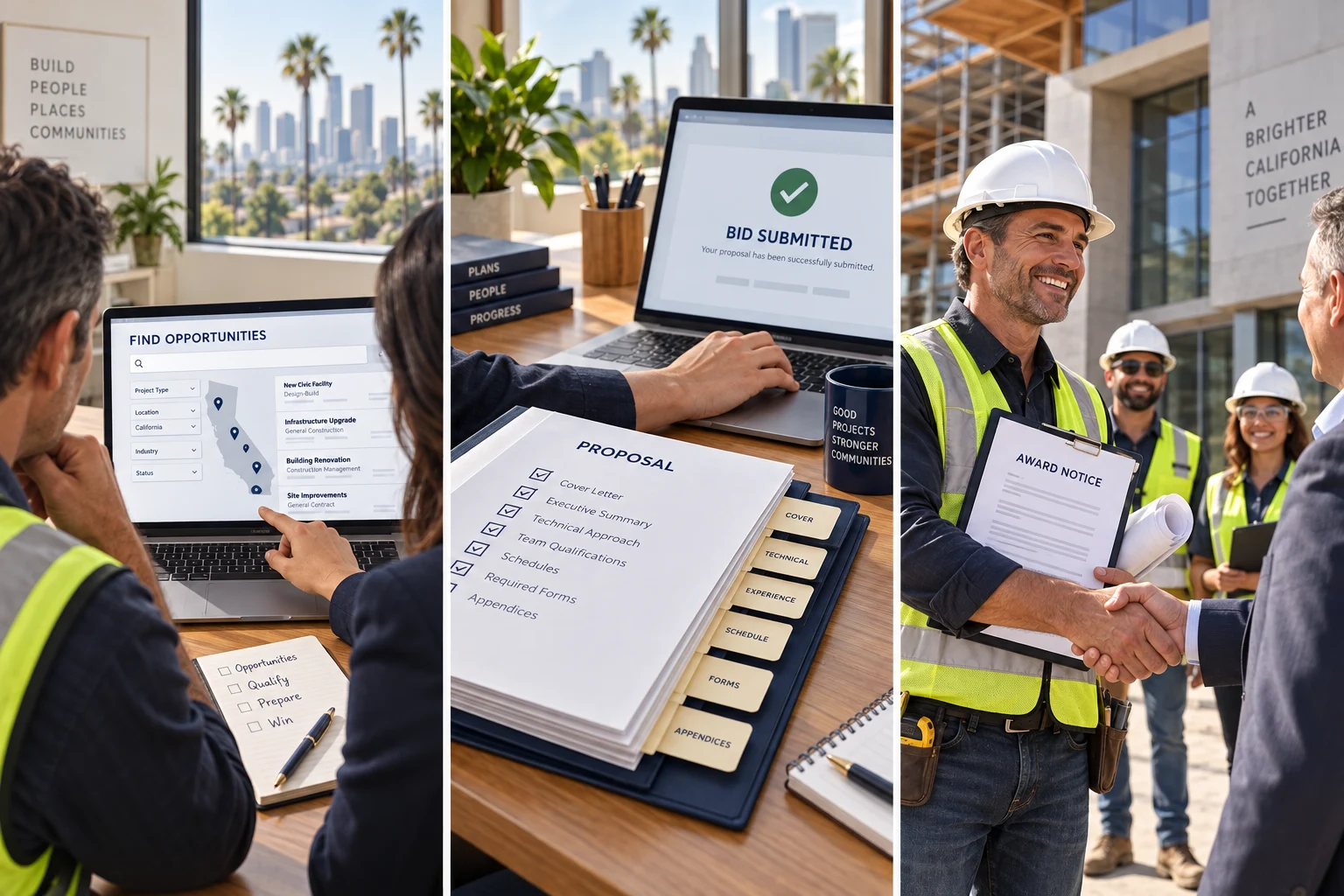
Many bids are lost in the last hours, not in the estimate: an unacknowledged addendum, a missing signature, a bid bond in the wrong name, or an upload that finishes one minute late. A final bid review is a planned, role-based check that catches those errors while there is still time to fix them. This guide lays out a workflow for the final day or two before a construction bid is due.
Plan the final bid review before bid week
Set the review schedule when you decide to bid, not on bid day. Work backward from the deadline: submission, final signatures, final numbers, subcontractor cutoff, document assembly. Build in extra time for anything that depends on someone outside your office, such as the surety, a notary or a courier.
Assign roles. One person owns the final number, one assembles and checks documents, and one handles submission logistics. On a small team, one person may hold two roles, but a second set of eyes on the numbers and forms is worth arranging even if it is a colleague from outside the bid.
Freeze the version and check the numbers
Name the estimate version under review and keep an open-items list for late quotes and pending decisions. Changes after that point should be logged, not slipped in. Then check the arithmetic and the bid form together.
- Totals on the bid form match the estimate summary
- Unit prices multiplied by stated quantities equal the extended amounts
- Amounts written in words match figures where both are required
- Every alternate is priced or marked as the form instructs
- Late subcontractor and supplier quotes are reflected and documented
- Scope assumptions match the latest addenda
- No blanks remain where a price or entry is required
Subcontractor quotes often arrive in the final hours. Decide in advance how late you will accept them and who compares each one against the scope sheet before it replaces a number. A lower quote that quietly excludes part of the work is not a saving. Record which quote was used for each trade so the final number can be explained later.
Addenda, forms and subcontractor list
Compare your addenda log with the official posting one last time; addenda issued close to the deadline are easy to miss. Acknowledge each one exactly as the bid form requires, by number and date. Check that every required form is included, completed and in the specified order, including declarations, license and DIR registration numbers, and any participation or experience forms.
On California public works, review the subcontractor list carefully. Confirm names, license numbers, DIR registration numbers, locations and portions of work as the form requires, and that every subcontractor whose work exceeds the listing threshold is shown. Errors here can lead to protests or limits on who performs the work.
Signatures and bid security
Confirm who is authorized to sign for the company and that the signatures, titles and dates appear everywhere the documents require them. Some forms must be notarized or accompanied by proof of signing authority; arrange that in advance rather than on the deadline morning.
If bid security is required, check it against the instructions. For a bid bond, the bidder's legal name should match your license and bid form, the project name and bid date should be correct, the amount or percentage should meet the requirement, and the surety's signature and power of attorney should be attached if requested. Use the agency's bond form if one is provided.
Consistency matters across the package. The company name on the bid form, bond, insurance certificates and license should match exactly, including any dba. A mismatch can raise questions about who is actually bidding, so compare them side by side during the review rather than assuming they agree.
Deadline logistics for electronic and paper bids
Late bids are generally rejected, and the owner's clock decides what is late. For electronic submissions, confirm your portal login works days ahead, check file size and format limits, and upload with time to spare. Keep the confirmation receipt or time stamp. Systems can slow down near a deadline when many bidders upload at once.
For sealed paper bids, confirm the delivery address, room and labeling rules on the envelope, and whether bid security and certain forms go in a separate envelope. Allow for traffic, parking and building security if delivering in person, and consider sending a backup person.
- Deadline date, time and time zone confirmed from the latest addendum
- Portal account tested, or delivery address and envelope labeling confirmed
- Final files named, combined and within size limits
- Bid security included in the required form
- Submission confirmation saved
- A backup plan and contact for technical or travel problems
After submission
Save a complete copy of the submitted bid, the confirmation and the final estimate in the project record. Watch for the bid opening or results, since some agencies post them publicly. If the bid is not successful, review the results for lessons on pricing and scope. Bid protest procedures and deadlines are set by each solicitation and can be short, so read them before you need them.
Next step
Chain Construction offers bid support consulting to contractors already licensed in California. Share the solicitation, your bid date and your team roles, and we can set up the review schedule and checklists and help assemble and check documents. Authorization, pricing and submission remain with you as the bidder, and we never guarantee an award.